Optimize
Your
Workforce
hexagonknow.com

Why Soft Skills Are No Longer “Nice to Have” — They’re Business Critical
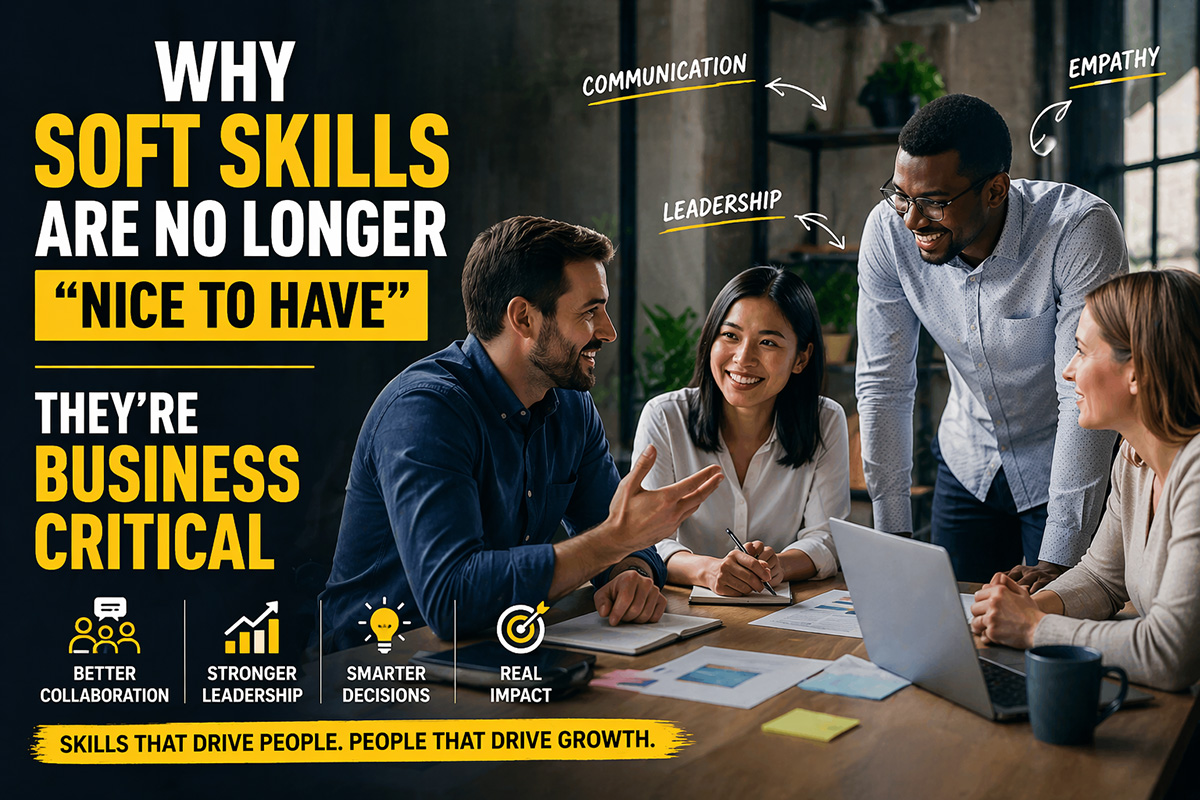
For decades, the corporate world treated soft skills as the “bonus” — something to sprinkle in during onboarding or weekend workshops. But in 2025, that mindset is no longer just outdated — it’s dangerous.
Whether you’re managing a hospital team, running a school, coordinating logistics, or leading a hospitality crew — your success no longer depends solely on technical expertise. It depends on people. And people need people skills.
1. The Human Problem in a Hyper-Digital World
We’ve automated systems, digitized workflows, and optimized operations — but the biggest breakdowns still happen in communication, conflict, and culture.
- A brilliant nurse can still struggle with patient empathy.
- A technically sound teacher might be emotionally distant.
- A logistics manager may crack under pressure if not equipped with resilience.
These aren’t “extra” problems. They’re mission-critical.
2. Silent Resignations and Loud Burnouts
2024 saw a silent wave in workplaces: people stayed, but checked out. Engagement plummeted not because the work was hard — but because connection was missing.
Soft skills like empathy, listening, feedback, and clarity are not fluff. They’re the glue holding your teams together.
3. In High-Stakes Environments, Soft Skills Save Lives
In hospitals, poor communication between staff can cost lives.
In schools, a teacher’s lack of emotional regulation can scar a student’s self-esteem.
In logistics, a miscommunication can derail a supply chain.
Soft skills are not about “being nice.”
They’re about performance, efficiency, retention — and in some cases — safety.
4. The New ROI: Relationships Over Infrastructure
We’ve seen institutions pour lakhs into infrastructure for inspections and accreditations. But when a parent complains, or a team fails — it’s often because a leader lacked communication, or a team member lacked collaboration.
Your ROI no longer lies only in tech or certifications. It lies in training your people — and not just once.
5. Continuous Learning, Not One-Time Training
Workplace learning needs a shift from one-time sessions to continuous development.
Your staff doesn’t just need training when they join — they need a system that grows with them, builds soft skills over time, and adapts to their challenges.
Final Thought
Soft skills are not “soft” anymore. They’re survival skills.
And in schools, hospitals, logistics, and hospitality — where human interaction defines outcomes — they are the single most impactful investment you can make.
Reflective Question:
What if your biggest performance gap… wasn’t technical at all?